
In our practice we primarily serve young working professionals, many of whom are parents. Over the last several years, I have noticed a trend among these parents – a noticeable lack of involvement from grandparents and extended family members in the lives of their children. This issue seems to have become even more pronounced after the pandemic. As lockdown restrictions ended, parents were eager to integrate grandparents, aunts, uncles, etc. into their children’s lives, but they have found that their extended family seems to have little interest in doing so. Despite some sporadic media coverage , almost no one seems to be talking about the issue (Jia Feng, 2023; Stone,. 2023).
Many of today’s young parents have fond memories of their grandparents, who regularly provided care throughout their infancy, childhood, and adolescence. Yet they are dismayed to find that their own parents seem to lack any interest in providing a similar grandparent experience to the next generation. They also feel a deep sense of resentment toward their parents, who seem to have enjoyed ample childcare assistance from extended family when they were raising children, but seem to have little interest in providing that help as their adult children face the challenges of raising their own family.
These feelings are understandable. Grandparents traditionally play a crucial role in providing a support network, offering wisdom, and sharing the responsibilities of child-rearing. The absence of extended family involvement can contribute to a diminished sense of community for these parents. As one of my clients recently said, “I want to know where is my village? It feels like we are doing this all alone!”
The mental health impact of having no family support
Research on parenting shows that isolation and lack of family support can contribute to heightened anxiety and depression (Nelson, Kushlev, & Lyubomirsky, 2014). Parenting without the buffer of extended family involvement may lead to burnout, impacting not only the individual’s well-being but also the overall family dynamic. The notion that childrearing is solely the responsibility of the nuclear family is a recent development and one that runs contrary to the way families have been organized throughout human history. Indeed, evolutionary psychologists have noted that our development as a species was predicated on the involvement of extended family – especially grandparents – in raising children (Bjorklund, Yunger, & Pellegrini, 2002).
Many isolated parents feel as if they never get any meaningful break from parenting duties. They work all day, only to handle their children during the evening and weekends – leaving little time for themselves, their friendships, and their romantic life. In an effort to balance parenting with other responsibilities, many couples try to tag-team, but in a way this just feels like “robbing Peter to pay Paul” – as you are just deferring the parental stress until you can trade off. This anxiety, resentment, and frustration can heighten relationship conflict and lead to partners distancing from one another.
Parents also experience a heightened sense of anxiety arising from the sense that there is no room for error. If school is cancelled, a child is sick, etc. – there is no option to call in a family member to help. They have to suddenly reorganize everything to respond any challenge that comes up with their children. This also increases the already considerable cost of raising children. When there is no family support system in place, parents have to pay someone in order to provide childcare – and the costs add up quickly.
While these feelings are understandable, it is important not to approach this conflict with a sense of blame. Many parents personalize the lack of involvement from extended family members, experiencing it as a sense of rejection or attributing it to deficits in the character of grandparents (e.g. the Baby Boomers are so selfish). Not only does this magnify hurt feelings, but it can intensify the conflict and lead to further divisions among extended family members.
Why is extended family less involved today?
It is important to recognize that the shift in the level of grandparent/extended family involvement can be attributed to various societal and cultural changes that have unfolded over the past few decades. One significant factor is the evolution of family structures and dynamics.
- Living Further Apart – In contemporary society, individuals often pursue career opportunities that require geographical mobility, leading to families living farther apart. This physical distance can impede the regular and spontaneous interactions that might naturally occur between grandparents and their grandchildren.
- Increasing Individualism –
- Parents are Waiting Longer to have Children – parents are often waiting longer to have children. As couples delay starting families for various reasons, such as pursuing education, establishing careers, saving up money, or prioritizing personal goals, the age gap between parents and grandparents widens. Many people don’t become grandparents until they are in their late 60s or early 70s. Older grandparents may face health-related challenges that limit their physical capabilities and energy levels, potentially impacting their ability to actively participate in childcare responsibilities or engage in activities with their grandchildren. This age gap also increases the emotional distance between grandparents and their grandchildren. Many grandparents struggle to understand the fashion, cultural references and life-style of their grandchildren – making it hard for them to meaningfully connect.
- Demanding Work Schedules – The changing economic landscape has compelled many working adults to engage in demanding work schedules, leaving less time for extended family engagements. With the rise of dual-career households, both parents are often occupied with their professional responsibilities, making it challenging to incorporate regular visits or shared childcare responsibilities with grandparents. Sometimes grandparents feel left out and think that asking to visit with grandkids could be experienced as a stressful intrusion into their children’s lives.
- The Rise of Virtual Communication – Technological advancements and the prevalence of virtual communication may also contribute to a perception of connectedness that does not necessarily translate into active involvement. While video calls and social media platforms offer a means of staying in touch, they may not replace the tangible support and presence that grandparents traditionally provided. The digital era, can sometimes create a false sense of closeness while maintaining physical distance.
- Changing Parenting Styles – A notable trend among many young families is the intentional choice to parent their children in a manner distinct from the methods employed by their own parents. This change in parenting practices can magnify intergenerational conflicts, introducing differing perspectives on discipline, education, and overall child-rearing philosophies.
- Retirement is Changing – the rise in economic inequality and the massive failures of the United States retirement system have created a situation in which many older adults have to work well into old age. This limits their time and availability for family engagements and childcare.
How to address lack of family involvement
While navigating this generational challenge is difficult, here are some tips for parents and grandparents to help begin addressing the issue:
- Clearly Define Roles and Contributions: Clarify specific roles and contributions that grandparents can make in supporting the family. Whether it’s occasional childcare, sharing wisdom, or assisting with specific tasks, or even just sending a meal when the kids are sick – defining roles can enhance the sense of purpose and involvement. Grandparents need to be honest about the limitations and challenges that they face and to clearly communicate what tasks they are not comfortable/capable of helping with – as this will diminish frustration for all parties.
- Plan Intergenerational Activities: Organize activities that span different generations. This could include family outings, celebrations, or projects that engage both parents and grandparents. Try to pick activities that can help grandparents share their interests with their children. For instance, if grandpa enjoyed collecting model trains, consider taking the children to a model train museum.
- Join a Parenting Community: In many areas there exist informal parenting communities where young parents can meet up, plan playdates for their children, and discuss challenges. These informal communities can help provide a sense of connection and assist with managing the burden of childcare, especially where family supports are lacking. Many of these groups have a large social media presence – you need only search for them.
- Discuss Differences in Parenting: Effective communication is paramount when parents and grandparents find themselves navigating differences in parenting styles. Initiating an open and non-judgmental dialogue allows both parties to express their perspectives and values. Setting aside dedicated time for these conversations, free from distractions, creates a conducive environment for understanding. It’s essential to actively listen to each other’s concerns, acknowledging the validity of differing viewpoints. Seeking common ground and identifying shared goals can help bridge the generational gap.
- Do not to overly rely on Technology: While video chat software and digital photo albums can provide a useful tool for bridging the physical gap between family members, they cannot sustain a meaningful sense of connection and involvement on their own. Families should be intentional about scheduling regular visits, even if they only occur a few times a year, to complement digital interaction.
What if nothing is working?
Sometimes parents have talked through their expectations, tried to define roles, and explored the challenges and limitations facing extended family members and still they find that these family members are making little effort to engage. Sometimes these family members truly seem to have no desire to be involved, even when you offer to work with them on ways they can deepen their connections with you and your family. In this situation, it can help to reach out for professional guidance. A therapist can help you explore complex family dynamics and identify strategies to help you manage your emotions, effectively communicate your concerns, and set boundaries when appropriate.
In this situation, I think it is reasonable to communicate that you are willing to continue working on the issue but also that you will not work harder than extended family members to ensure that they have a relationship with the children. The “little years” are the prime time to establish the foundation for a lifelong connection. If family members neglect that, this may mean that the children will have little interest in having a relationship with them, especially as the children get older and enter adolescence and early adulthood. Someday they may just be the “weird” aunt, uncle, or grandparent that the children barely see and have no desire to know. Let your family members know that this isn’t the outcome you want – that you want them to have a joyful, vibrant, engaging relationship with your children – but also let them know that it is their responsibility to put the work in to create that relationship. And they need to start doing that work before it is too late.
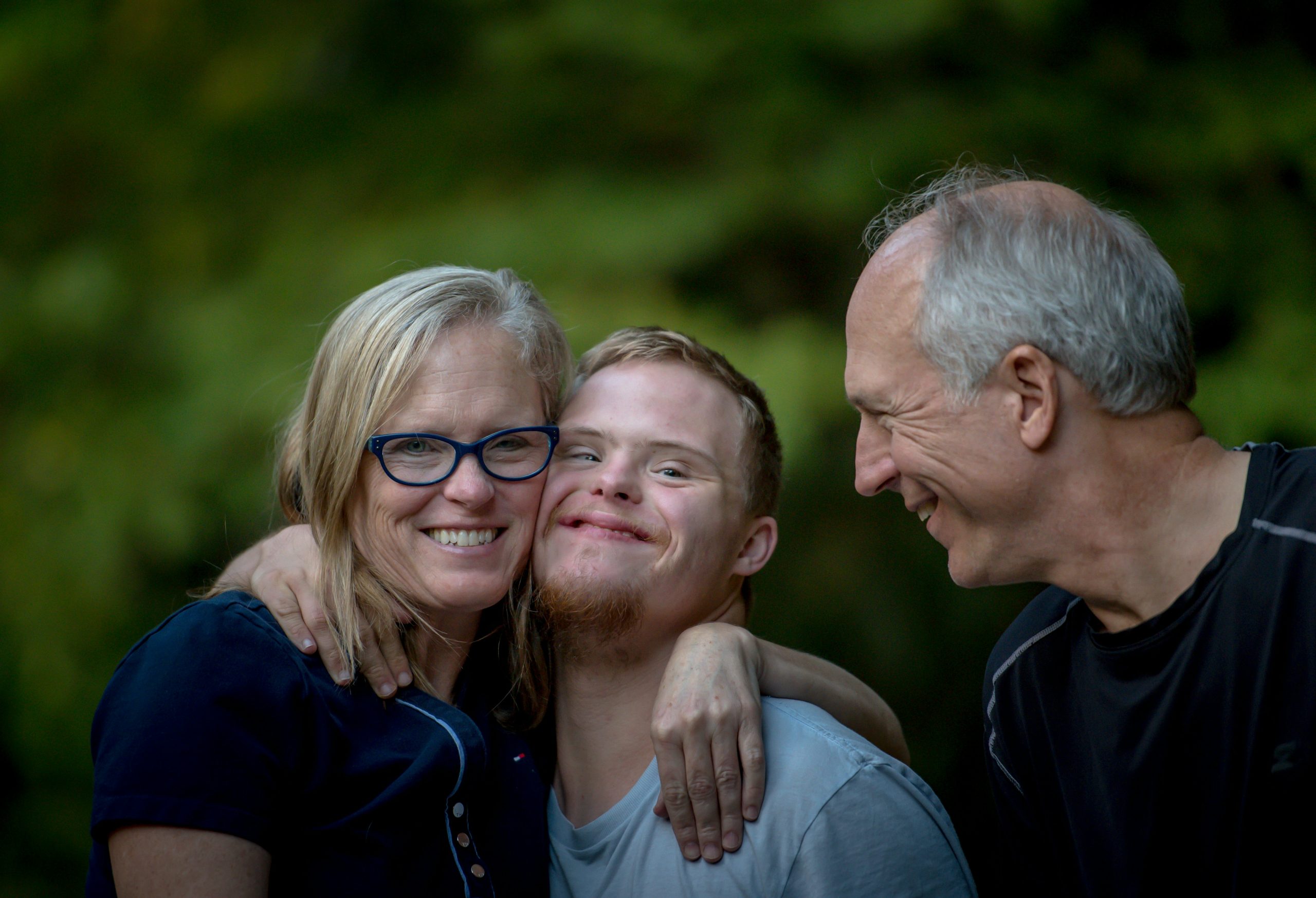
Image Credit – Nathan Anderson – https://unsplash.com/photos/photo-of-two-man-and-one-woman-standing-near-tree-GM5Yn5XRVqA
Citations
Bjorklund, D. F., Yunger, J. L., & Pellegrini, A. D. (2002). The evolution of parenting and evolutionary approaches to childrearing. In M. H. Bornstein (Ed.), Handbook of parenting: Biology and ecology of parenting (2nd ed., pp. 3–30). Lawrence Erlbaum Associates Publishers.
Nelson, S. K., Kushlev, K., & Lyubomirsky, S. (2014, February 3). The Pains and Pleasures of
Parenting: When, Why, and How Is Parenthood Associated With More or Less Well-Being?.
Psychological Bulletin. Advance online publication. http://dx.doi.org/10.1037/a0035444
Jia Feng, C. (2023, November 29). Boomers seem to have traded in the child-raising village for traveling. Now millennial parents say they have no one to support them. Retrieved June 25, 2024, from Business Insider: https://www.businessinsider.com/millennials-say-boomer-parents-abandoned-them-2023-11
Roskam, I., Aguiar, J., Akgun, E. et al. Parental Burnout Around the Globe: a 42-Country Study. Affec Sci 2, 58–79 (2021). https://doi.org/10.1007/s42761-020-00028-4
Stone, C. (2023, September 1). TikTok nails the millennial parenting experience when it comes to uninvolved grandparents. Retrieved June 25, 2024, from Motherly: https://www.mother.ly/news/viral-trending/boomer-grandparents-tiktok/